
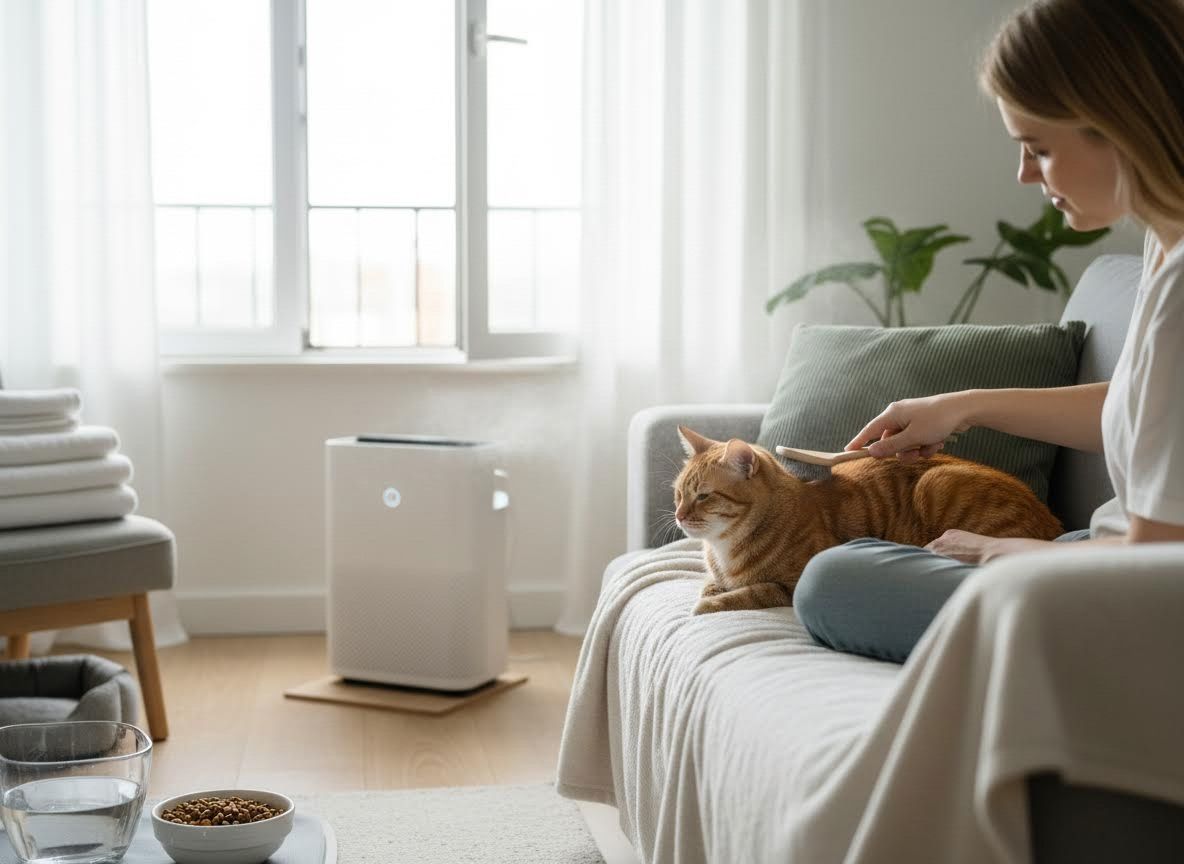
Living with a beloved feline companion can bring immense joy, but for many, it also introduces the challenge of cat dander. This microscopic issue can lead to allergies and discomfort for both pets and their human families. Thankfully, there are several effective, natural strategies you can implement to significantly reduce cat dander in your home, creating a more comfortable environment for everyone, and Donna's Pet Grooming LLC/Fetching Pet Presto is here to help guide you through these solutions.
Understanding Cat Dander
Contrary to popular belief, it's not actually cat hair that causes allergic reactions, but rather the dander – tiny flakes of dead skin, saliva, and urine proteins that adhere to the fur and are shed into the environment. These particles are incredibly small, easily becoming airborne and settling on surfaces throughout your home. Cats produce dander regardless of their breed, though some may produce less than others. Understanding this distinction is the first step in effectively managing the problem.
Regular Grooming for Dander Control
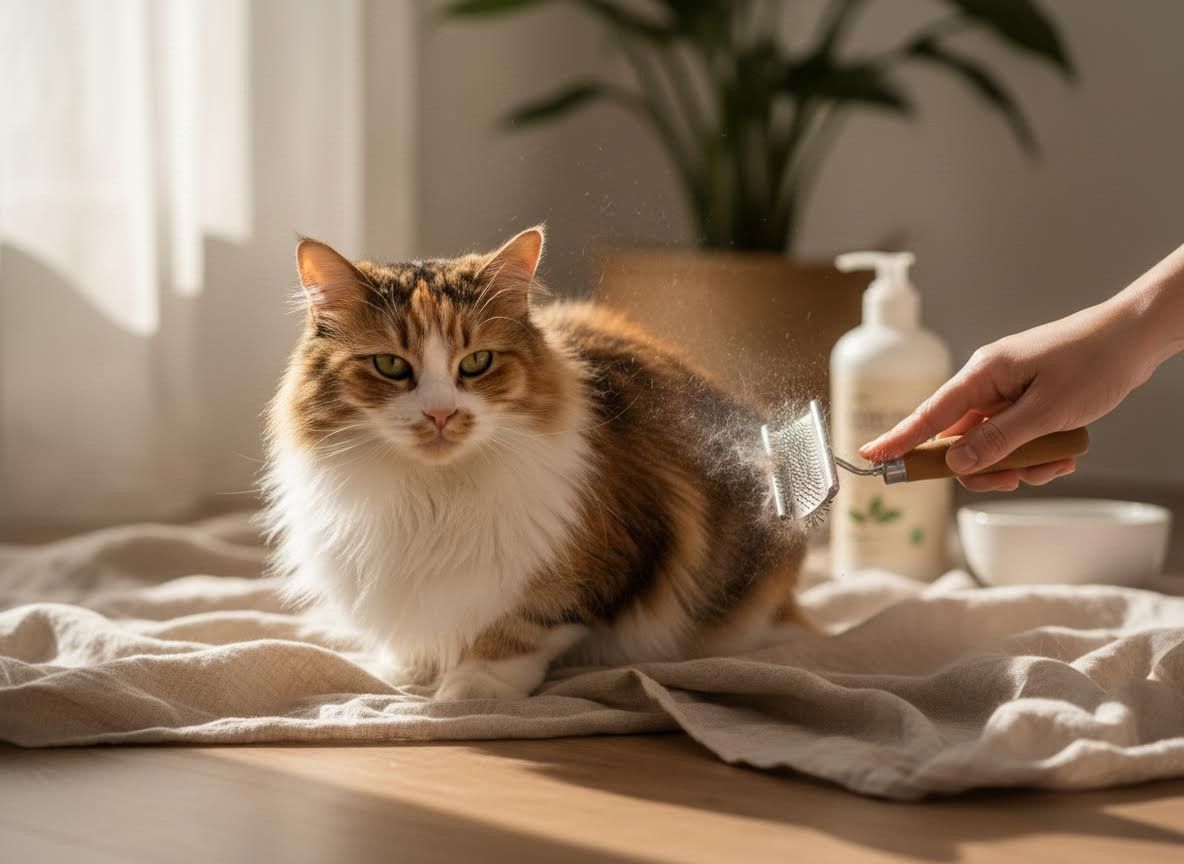
Consistent grooming is paramount in the battle against dander. Regular brushing helps to remove loose fur and, more importantly, shed skin flakes before they become airborne. Aim for daily brushing, especially during shedding seasons, using a brush appropriate for your cat's coat type. Beyond brushing, occasional bathing can be highly effective. When bathing, use a gentle, moisturizing formula. Many pet owners find that a natural pet shampoo is beneficial as it helps maintain skin health without stripping natural oils, which can lead to drier skin and more dander. Professional groomers often recommend a hypoallergenic formulation for cats with sensitive skin, ensuring a comfortable bathing experience.

Optimizing Your Home Environment
Even with excellent grooming, dander can accumulate in your home. Regular cleaning practices are crucial. Vacuum carpets, rugs, and upholstery frequently, ideally with a vacuum cleaner equipped with a HEPA filter to trap microscopic particles. Washing your cat's bedding, blankets, and your own linens weekly in hot water can also make a significant difference. Consider using air purifiers with HEPA filters in main living areas and bedrooms to continuously remove dander and other allergens from the air. Maintaining good ventilation by opening windows when possible also aids in air circulation.
The Role of Diet and Hydration
A healthy cat generally has healthier skin and coat, which in turn can reduce dander production. Ensure your cat is on a high-quality, balanced diet rich in essential fatty acids, such as Omega-3 and Omega-6. These nutrients contribute to skin hydration and coat health, potentially leading to less dry, flaky skin. Adequate hydration is also key; encourage your cat to drink plenty of fresh water, as dehydration can contribute to dry skin. Consult with your veterinarian to discuss the best dietary choices for your individual cat's needs.
Implementing a combination of these natural strategies can significantly reduce cat dander in your home, leading to a more comfortable and allergen-friendly environment for both you and your cherished feline. By focusing on consistent grooming, environmental control, and your cat's overall well-being, you can enjoy a happier, healthier coexistence. To explore grooming solutions designed with your pet's delicate skin in mind, learn more about our range of gentle, all-natural formulas at Donna's Pet Grooming LLC/Fetching Pet Presto, crafted to provide a professional grooming shampoo experience right at home.